Now that you’ve chosen the subject for your GD Series show, catalog and organize their work as an inventory you can draw from while articulating the concept of your show. This inventory will take two forms – an image repository and textual repository.
Step 1: Collection
Context
Research your subjects – DO as much research as you can about the graphic designer. What is their work about? What are the themes of the work, what formats does their practice include? Dig deep and uncover as much as you can – what were their school theses? Employment history? Create a short narrative that places these observations in context.
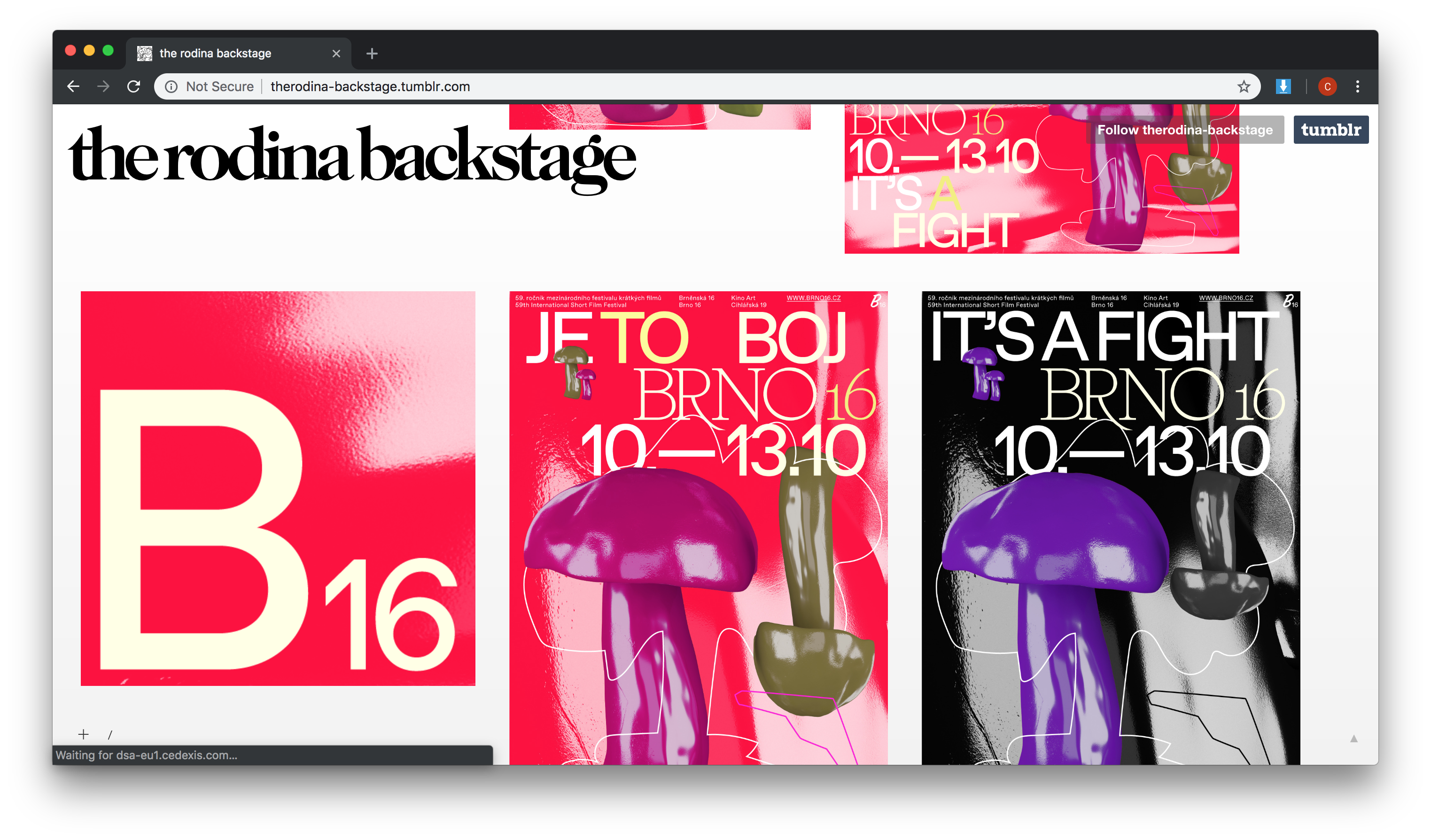
Image Repository
Begin by collecting as many images and projects that you can find online onto a hard-drive, shared Google doc, or any other means you see fit. Make sure to implement an organization system that follows a semantic logic and helps you parse their work. For instance, is it separated by time, medium, color, etc.? Do projects exist in multiple places?
Text Repository
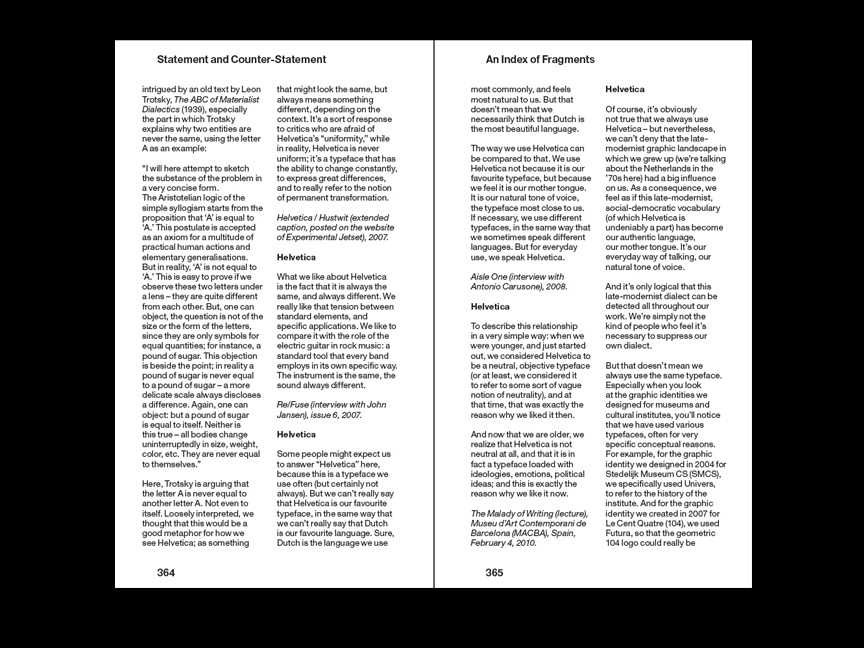
At the same time find as much writing and discussion your subjects have generated as you can. Watch lectures, read essays and interviews, look through project descriptions – analyze any and all writing and audio you can find for keywords. Create an index of terms in the form of an encyclopedia / index of definitions and terms. Where this is stored is up to you, but again, should be logical and accessible to your team.
Step 2: Translation
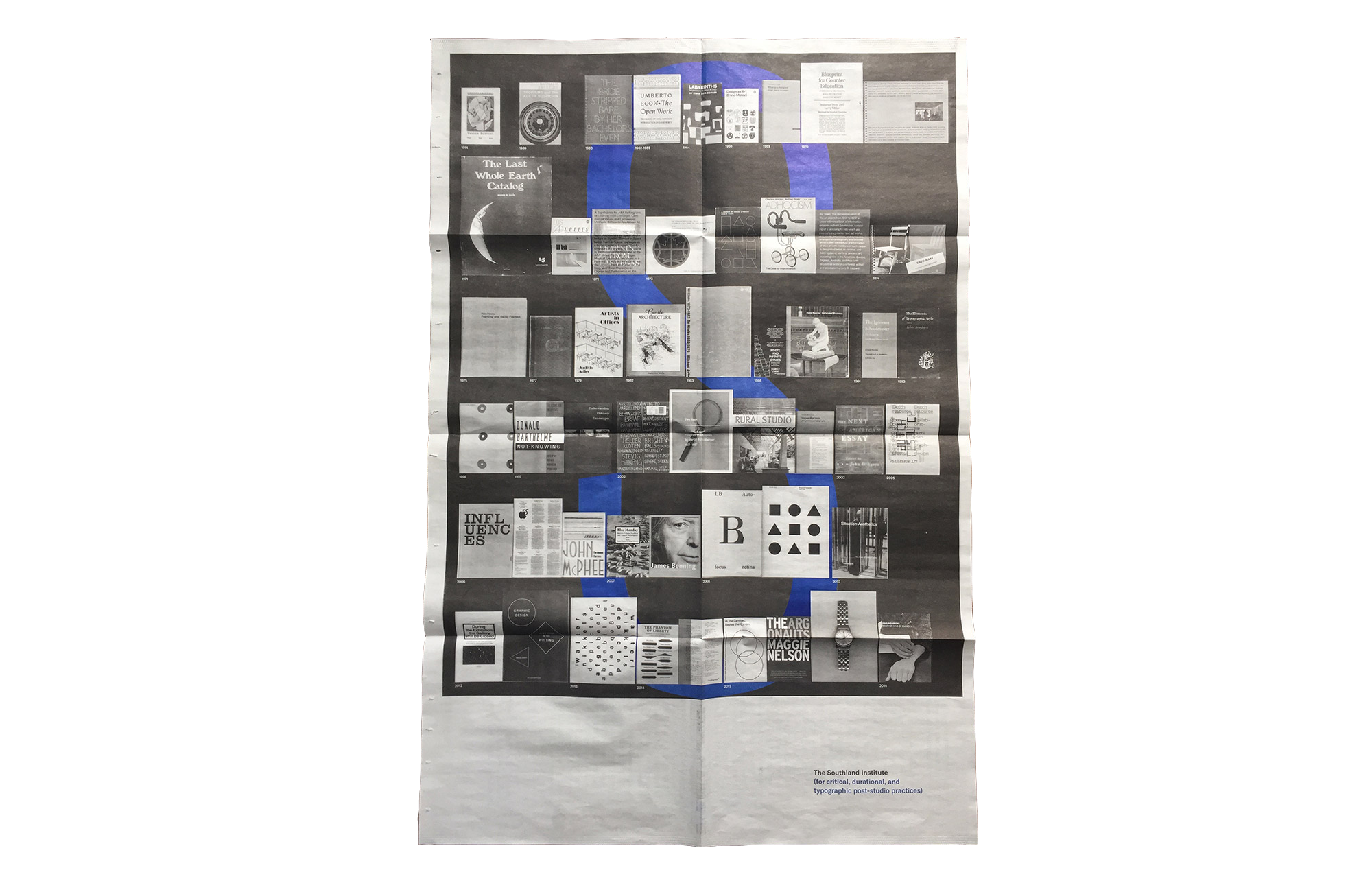
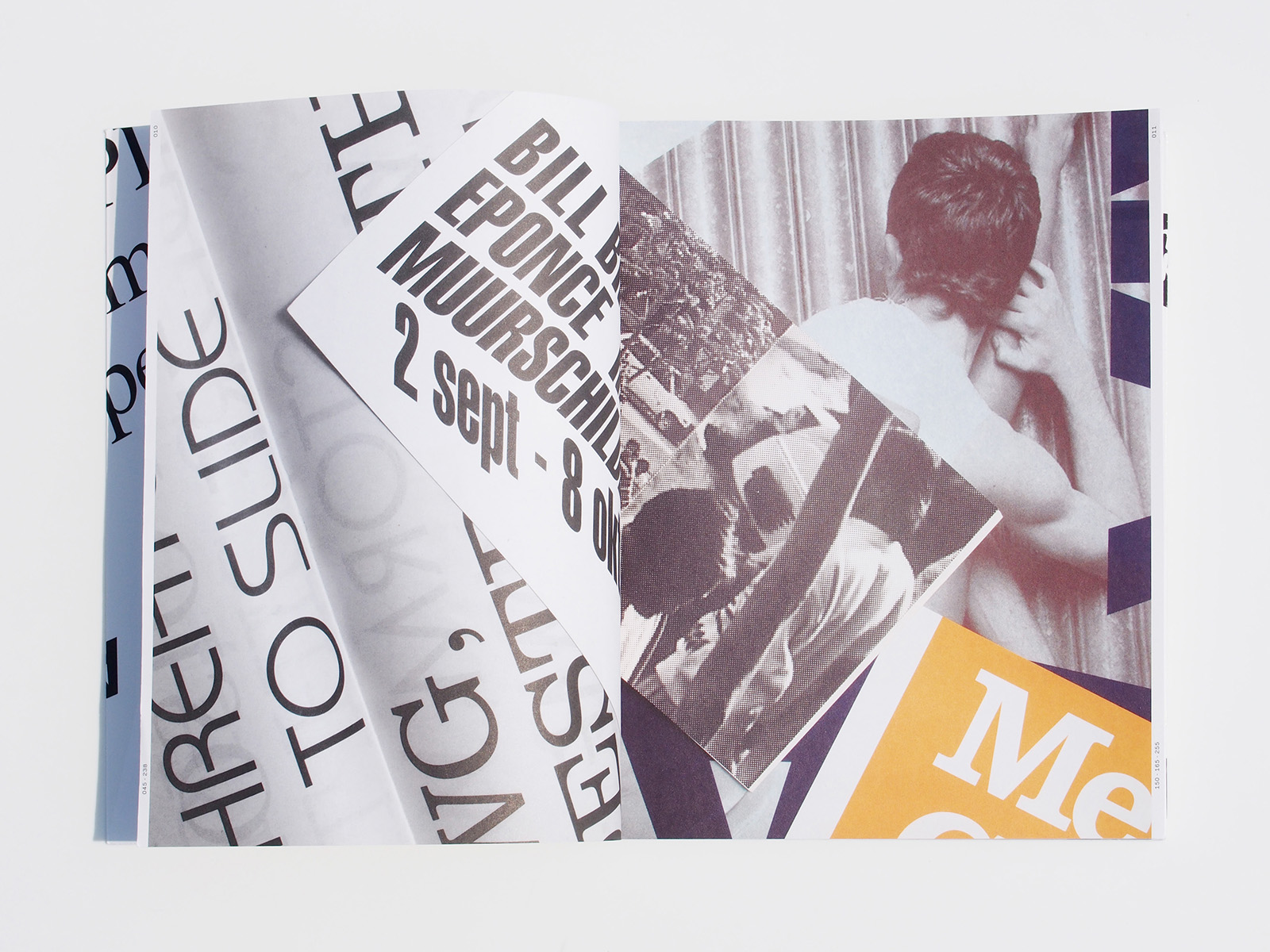
Now that you’ve collected context on your subjects, and an image and text repository of their work, transform this information into a format that can be understood and accessed by others. It’s up to you what format this is: a website, book, poster, miniature exhibition, a combination of formats... however, the outcome should take a critical position in making the works understandable and accessible. For instance, is it more meaningful for your subject’s work to be accessible online, or in a locality? Does an editorial hand in making the works understandable enrich or diffuse the works potency?
Due Tuesday 1.29
Bring your synthesized research to class and be prepared to share your findings. Walk us through discoveries you made about your subjects: their bios, topics of interests, mediums they work in, etc. and how you processed your collections from a formal and conceptual perspective. Think of this as a short presentation aided by artifacts.